By RajIn Fashion6 min read
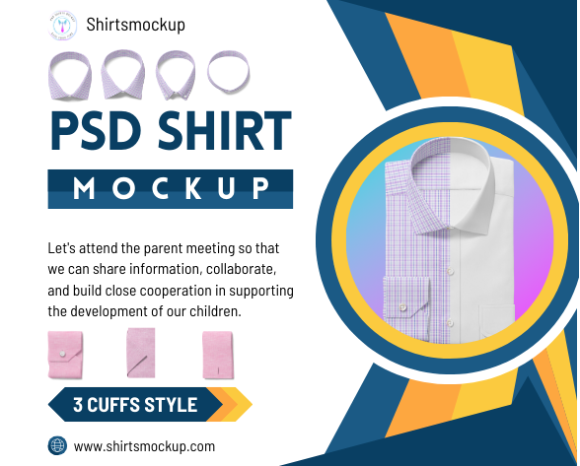
Designing incredible mockups is now easier than ever with tools designed to enhance creativity. This post explores the best options available to designers looking to elevate their projects. A mockup tool is a software application that enables designers to create professional, realistic representations of products, websites, or applications without coding. These tools simplify the design process, making it easier to visualize ideas.
Discover the best mockup tools to create stunning designs for your projects. Compare features, pricing, and pros and cons in our comprehensive guide.
What is a Mockup Tool?
Mockup tools are essential in the design stage, allowing one to visualize concepts before implementation. They allow designers to create wireframes and mockups of their ideas, providing a clear picture of the final product. These tools help bridge the gap between concept and reality, ensuring that designs align with client expectations. Understanding mockup tools is crucial for anyone involved in web and product design.
[custom-html]<button class="ps-btn ps-btn--black"> Download</button> [/custom-html]
Top 30 Best Mockup Tools To Share Design Ideas In 2024
Figma
Marvel
UXPin
MockFlow
Justinmind
Adobe XD
InVision
Sketch
Balsamiq
Mockup Generator
Canva
Gravit Designer
Origami Studio
Axure RP
Framer
Pencil Project
Mockup World
Mockup Studio
Mockup Tool
Mockup Design
Mockup Creator
Mockup Pro
Mockup Builder
Mockup Designer
Mockup Master
Mockup Expert
Mockup Genius
Overview Of The 30 Best Mockup Tools
Today, a wide range of design tools is available, each offering unique features and benefits. This list provides an overview of the top options, focusing on their ability to streamline the design process.

Figma
Figma is one of the best mockup tools for collaborative design. It offers a web-based platform that allows users to work together in real time. Features include a drag-and-drop design interface, vector graphics editor, and prototyping tool. Figma excels in creating interactive mockups and wireframes, making it ideal for teams.
Examples
Designers use Figma to collaborate on complex projects and create detailed mockups quickly. Companies like Slack and Dropbox have also used Figma for design solutions.
Features
Real-time collaboration
Advanced vector editing
Prototyping tools
Pros and Cons
Pros
Easy to use
Enables real-time collaboration
Comprehensive design elements
Cons
Internet-dependent
Limited offline capabilities
Marvel
Marvel is a design platform known for its simplicity and effectiveness. It simplifies the design process, allowing users to create wireframes and prototypes effortlessly.
Examples
Marvel offers intuitive tools to help startups design user interfaces. Companies like Deliveroo use it for quick mockup creation.
Features
User-friendly interface
Rapid prototyping
Integration with design tools
Pros and Cons
Pros
Easy to learn
Seamless integration
Speedy design process
Cons
Limited advanced features
Basic UI elements only
UXPin
UXPin supports UI and UX design and offers a comprehensive toolkit for designers. The tool allows detailed wireframe design and interactive prototypes.
Examples
UXPin aids in developing complex user interactions, used by companies like Microsoft.
Features
Detailed wireframing
Interactive design elements
Advanced prototyping
Pros and Cons
Pros
Detailed design options
Strong collaboration tool
Supports interactive mockups
Cons
Steeper learning curve
Higher price point
MockFlow
MockFlow is a wireframe tool that simplifies the design process. It’s an easy-to-use platform for creating mockups without extensive design experience.
Examples
MockFlow is often used for brainstorming sessions, helping visualize concepts quickly.
Features
Simple wireframing
Design documentation
Collaboration features
Pros and Cons
Pros
User-friendly
Affordable pricing
Collaborative features
Cons
Limited advanced tools
Basic design options
Justinmind
Justinmind is a prototyping tool designed for high-fidelity mockups. It allows you to create interactive designs with ease.
Examples
Designers use Justinmind to simulate real-world interactions, enhancing user testing.
Features
High-fidelity prototyping
Interactive design elements
Templates and UI kits
Pros and Cons
Pros
Advanced prototyping
Comprehensive templates
Great for user testing
Cons
Complex interface
Requires learning time
Adobe XD
Adobe XD is a leading design tool in the industry. It offers powerful features for UI and UX design and allows you to create interactive mockups efficiently.
Examples
Major companies favor Adobe XD for its robust design capabilities.
Features
Vector-based tool
Interactive prototypes
Intuitive interface
Pros and Cons
Pros
Powerful design features
Seamless Adobe integration
Intuitive use
Cons
Requires Adobe subscription
Can be resource-heavy
InVision
InVision is a mockup tool that enables teams to build interactive designs collaboratively. It streamlines the entire design process from ideation to development.
Examples
InVision is used by teams to create and share interactive prototypes and gather feedback.
Features
Collaboration tools
Design prototyping
Feedback integration
Pros and Cons
Pros
Strong collaboration tool
Interactive design capabilities
Integrated feedback system
Cons
Limited to web access
Higher cost for premium features
Sketch
Sketch is one of the best design tools for creating vector graphics and UI components. Its powerful features simplify the design process.
Examples
Designers often use Sketch for creating interfaces and digital products.
Features
Vector editing
Plugin ecosystem
User-friendly interface
Pros and Cons
Pros
Powerful vector tools
Intuitive interface
Extensive plugins
Cons
Mac-only product
Requires additional licenses
Balsamiq
Balsamiq is a simple, easy-to-use wireframe design tool that focuses on low-fidelity wireframes to speed up the design process.
Examples
Balsamiq is ideal for quick sketches and conceptual designs.
Features
Drag-and-drop ease
Low-fidelity focus
Quick prototyping
Pros and Cons
Pros
Very user-friendly
Fast prototyping
Affordable pricing
Cons
Lacks high-fidelity options
Limited design elements
Mockup Generator
Mockup Generator is a free mockup tool allowing designers to create realistic product mockups quickly. It’s perfect for showcasing designs to clients.
Examples
It helps businesses present product designs with photorealistic effects.
Features
Quick mockup creation
Rich design templates
Realistic previews
Pros and Cons
Pros
Fast results
Free plan available
Realistic visuals
Cons
Basic design tools
Limited customization
Canva
Canva is a versatile design tool that offers a wide range of design elements and templates. It’s easy to use and perfect for a range of design projects.
Examples
Canva helps small businesses create marketing materials and social media content.
Features
Drag-and-drop design
Extensive template library
Collaboration options
Pros and Cons
Pros
User-friendly interface
Versatile design options
Extensive templates
Cons
Limited advanced features
Subscription-based premium features
Gravit Designer
Gravit Designer is a free design software offering robust vector design capabilities. It’s suitable for both beginners and advanced designers.
Examples
Designers use Gravit for creating graphics, illustrations, and UI designs.
Features
Vector editing
Cross-platform support
Cloud integration
Pros and Cons
Pros
Free version available
Cross-platform compatibility
Advanced vector tools
Cons
Requires internet connection
Limited offline features
Origami Studio
Origami Studio is a prototyping tool created by Facebook designers. It allows you to create interactive mockups with detailed animations.
Examples
Designers use Origami for crafting complex interactions and animations.
Features
Animation tools
Interactive prototypes
Integration with Sketch
Pros and Cons
Pros
Advanced animation capabilities
Strong Sketch integration
Free to use
Cons
Steep learning curve
Mac-exclusive
Axure RP
Axure RP is a powerful prototyping tool for creating high-fidelity interactive mockups. It’s geared towards complex projects requiring detailed interactions.
Examples
Axure is favored by enterprises for its ability to handle large-scale prototypes.
Features
High-fidelity prototypes
Dynamic content
Comprehensive design system
Pros and Cons
Pros
Detailed design capabilities
Robust toolset
Suitable for complex projects
Cons
Expensive
Requires training
Tips for Using Mockup Tools Effectively
Using mockup tools effectively can greatly enhance your design process. Ensure you choose the right tool for your project.

Understand Your Needs
Before selecting a tool, determine what you need regarding design complexity and features. Different projects require different tools.
Collaborate Effectively
Leverage collaboration features to work with teams and gather feedback. This leads to better designs and faster iterations.
Stay Updated
Update your knowledge of tools regularly to take advantage of new features and improvements. This keeps your skills current and competitive.
Also See>>>> How to Open a PSD File Without Photoshop
Conclusion
Selecting the best mockup tool depends on your design needs and project scope. Understanding each tool’s features and benefits allows you to choose the right one to enhance your design process. Whether creating a website mockup or a mobile app interface, the right tool makes all the difference. Explore these tools, experiment, and find the one that suits your style. For further exploration, many of these tools offer free plans to get started.
Comments
No comments yet. Start the conversation.