By Tojo7 min read
The five main dress shirt fit styles are classic, modern, slim, athletic and skinny. The right one depends on how much room you want and how much narrower your waist is than your chest. Classic suits fuller builds and all-day comfort. Modern suits most average builds. Slim suits lean frames. Athletic suits broad chests with narrow waists. Skinny suits very slim frames and fashion-first buyers.
The trouble is that brands do not agree on the names. One label's "regular" is another's "tailored", and a medium can differ by an inch or two between makers. So learn the shape of each cut, then check it against your own shoulders, chest, waist and sleeves instead of trusting the tag.
At ShirtsMockup we work with shirt designers and brands, so we see how much fit vocabulary matters when a shirt is described, sampled and sold. Below, each style gets the same three checks: how the cut looks, who it suits, and how to confirm it fits.
1. Classic fit
How the cut looks
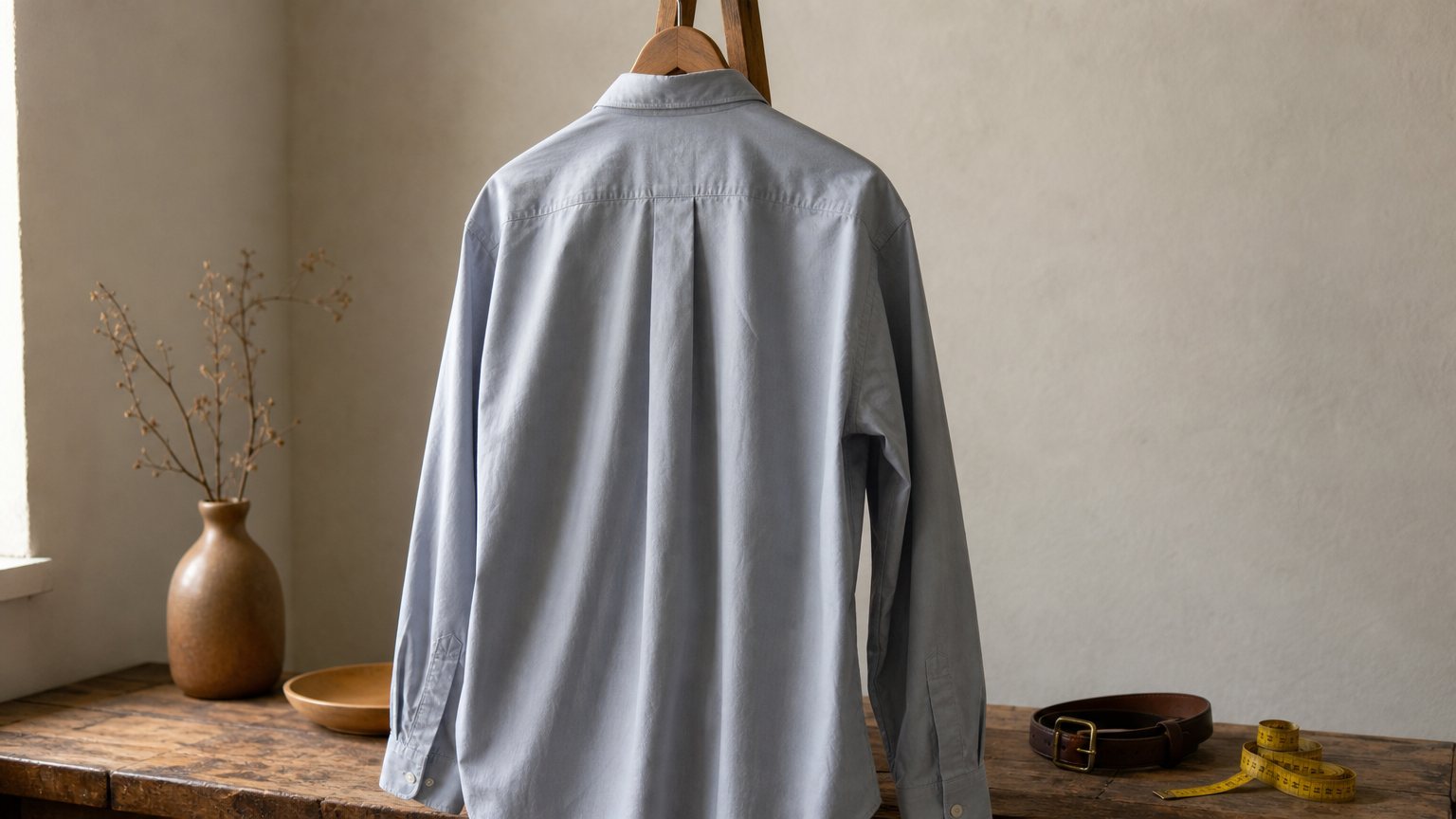
Classic fit, often sold as regular fit, is the roomiest standard cut. Expect straight side seams and plenty of fabric everywhere:
- Chest and waist: loose, with little taper
- Sleeves: full through the upper arm and forearm
- Length: long, ending a few inches below the belt line
- Back: often a box pleat or side pleats for movement
Classic fit is the comfort cut: room everywhere, shape nowhere.
Who it suits
Classic fit works for larger or broader builds, men with a fuller midsection, and anyone who sits or drives most of the day. It also suits you if you dislike fabric touching your body. The downside is looks. On a lean frame the extra cloth billows at the waist and reads as one size too big. Of all the dress shirt fit styles, classic is the most forgiving when your weight shifts through the year, so it is a sensible pick if you want one cut that keeps working season after season.
How to check the fit
Start at the shoulders. The seam should land at the edge of your shoulder bone. Two fingers should slip between the buttoned collar and your neck. Sleeves should end at the wrist bone. Raise your arms and the tail should stay tucked.
2. Modern fit
How the cut looks
Modern fit sits between classic and slim. It trims the side seams and tapers gently at the waist, but it leaves real room in the chest and arms. Brands also call it regular, tailored or contemporary, so compare measurements instead of names. Among the dress shirt fit styles, modern is the label that brands define most loosely, which means a modern shirt from one maker can sit closer to slim at another. Check the chest and waist numbers on the size chart before you order.
Modern fit is the safest first pick when you do not know your cut.
Who it suits
This is the cut for most average builds, and for anyone buying a first set of work shirts. It looks sharp under a suit jacket without restricting you at a desk. If a classic shirt looks sloppy on you but a slim one feels tight, modern is almost certainly your answer.
How to check the fit
Try the pinch test. Pull the fabric at your side. A modest handful is right for modern, and a big fistful means classic territory. Also decide how you size. Neck and sleeve sizing, such as 15.5 34/35, lets you tune collar and sleeve length separately. Small, medium and large sizing bundles them, so sleeves often miss.
3. Slim fit
How the cut looks
Slim fit is cut closer through the chest and waist, with higher armholes, narrower sleeves and a clear taper from chest to hem. It follows your torso without clinging to it. Most slim shirts also have a shorter tail, so they stay neat when tucked. Slim is the dress shirt fit style that rewards a precise size most, because there is very little spare fabric to hide a miss of even half a size.
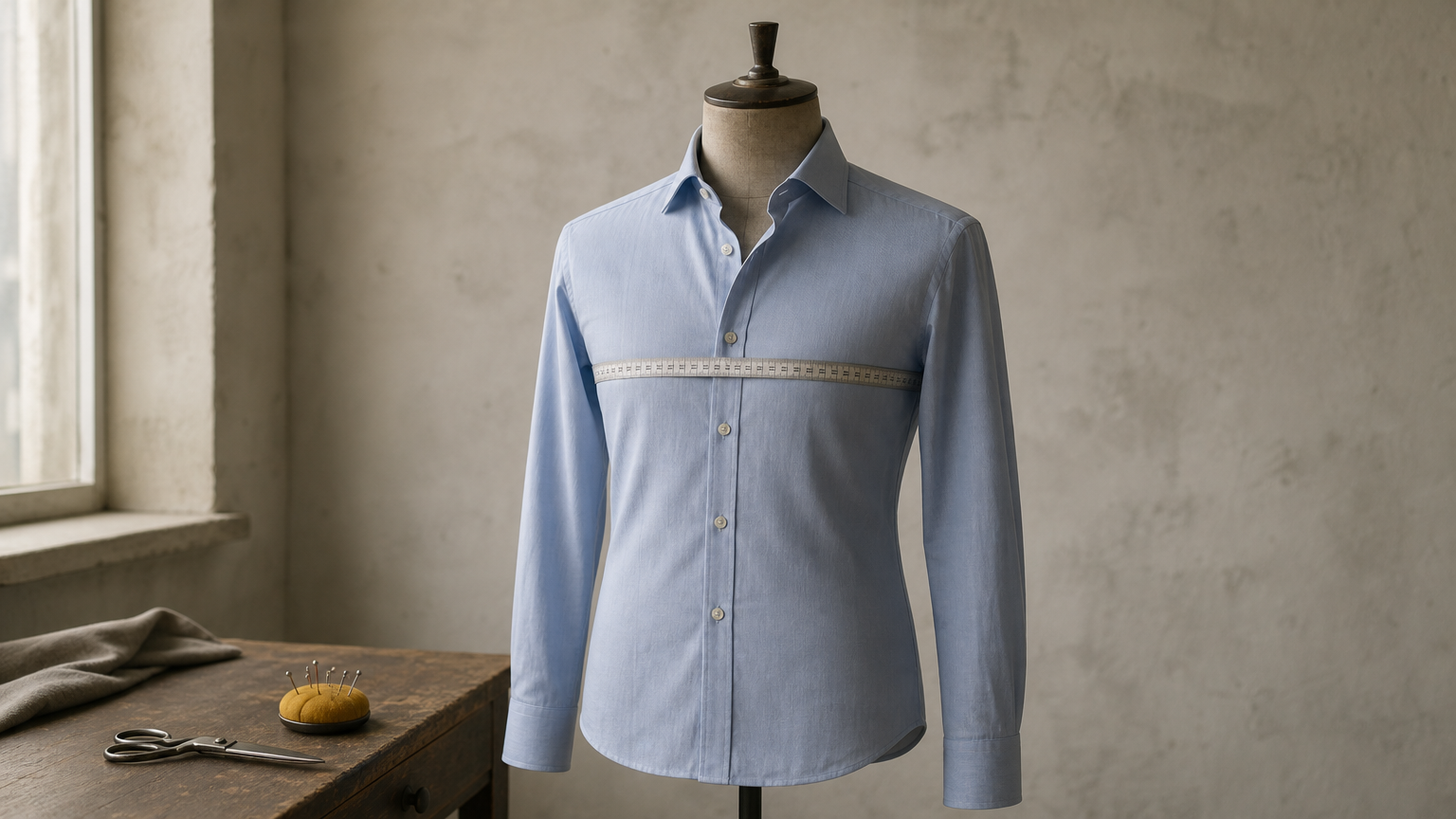
A slim shirt should skim your body, not grip it.
Who it suits
Slim fit suits lean to medium builds with a modest drop from chest to waist. It looks best on men who keep their weight steady, because a few pounds changes how it sits. If you carry a larger midsection, slim will pull at the buttons and look worse than a modern cut.
How to check the fit
Look for horizontal wrinkles across the buttons. Those mean the shirt is too tight. Sit down and reach forward. The back should not strain between the shoulder blades. If the chest pulls, do not size up just for the chest. Sleeves and length grow too, so move to modern or athletic instead.
4. Athletic fit
How the cut looks
Athletic fit, sometimes called muscle fit, adds extra room in the chest, shoulders and upper arms while keeping a tapered waist. It is slim fit rebuilt for a V-shaped torso. The sleeves are fuller above the elbow and narrower at the cuff.
Athletic fit is for the gap between your chest and your waist.
Who it suits
It suits broad shoulders, a big chest or lats, and a narrow waist. Take a man with a 44-inch chest and a 34-inch waist, a 10-inch drop. A classic shirt sized to his chest leaves a tent of loose fabric at the waist. A slim shirt sized to his waist pulls across the chest. Athletic fits both. If every other cut fights your shoulders or chest, athletic is the dress shirt fit style to try first, before you pay for tailoring.
How to check the fit
Fold your arms across your chest and reach forward. The fabric should not pull across the back, and the upper arms should move freely. Then check the waist. If it billows once you tuck, try a smaller size in the same cut rather than a different style. Stretch blends help, but cut matters more.
5. Skinny fit
How the cut looks
Skinny fit, or extra slim, is the closest cut you can buy. It is tight through the chest, waist and sleeves, with a narrow cuff and often a short tail. It is a fashion silhouette, built to show the shape under the shirt.
Skinny fit is a style choice, not a default, and only a few frames wear it well.
Who it suits
Choose it only if you have a very slim frame and want a sharp, youthful line. It works best untucked or with a stretch fabric. I would not recommend it for a daily office shirt unless your build matches the cut. Most men look and feel better one step looser, in slim or modern.
How to check the fit
Test movement before the mirror. Raise both arms, sit and cross your arms. No gaping between buttons, no strain at the underarm, and no shirt pulling out of your waistband. If any of those happen, the shirt is too small, not just snug. A skinny shirt that fits still lets you breathe and move. Because skinny is the most extreme of the dress shirt fit styles, try it on in person or buy from a brand with easy returns before you commit to a full set.
Choosing your cut
Pick the cut that matches your shape, then confirm it with the shoulder seam, collar, sleeve and arm-raise checks. Classic gives comfort, modern suits most people, slim suits lean frames, athletic handles a big chest and narrow waist, and skinny is a deliberate style choice. When a brand's label confuses you, trust measurements over names. Whichever of the dress shirt fit styles you choose, write down the measurements of the shirt that fits you best and use them to compare every future purchase.

If you design or sell dress shirts and need to show fabrics before you sample, try the Professional Dress Shirt Mockup. It comes as five layered PSD files with an option for different fabrics on the collar and cuffs, for $17.
Comments
No comments yet. Start the conversation.