By Tojo11 min read
The main collar types women's shirts, blouses, and dresses use fall into seven families: flat, point and spread, band and stand, roll and cowl, tie-neck, lapel and shawl, and ruffle. Choose by how formal the piece needs to be and how much attention the neckline should draw. Flat and ruffle collars suit soft, expressive pieces. Point collars suit office shirts. Band collars suit minimal looks, and lapels suit tailoring.
Collar names are a mess. One shape often has three names, so a Mandarin collar is also a Nehru, Mao, or Chinese collar, and shoppers, sewists, and sellers talk past each other. Underneath the labels, every collar is a variation of a stand, flat, or roll collar. This guide sorts the names into seven families, describes each shape in plain terms, and says where each one works. Necklines with no collar piece, such as crew, V, and boat, are a separate topic and stay out of this list.
ShirtsMockup sells Photoshop mockups of jackets, suits, and dress shirts. Designers who brief a mockup or write a product page need the right collar name, because "a nice collar" gets the wrong file.
1. Flat collars: Peter Pan, Bermuda, and sailor
Flat collars lie against the chest and shoulders with little or no stand, which gives them a soft, youthful, slightly retro look. They are the easiest of the women's collar types to spot, because the outer edge sets the name: rounded, squared, or tapered.
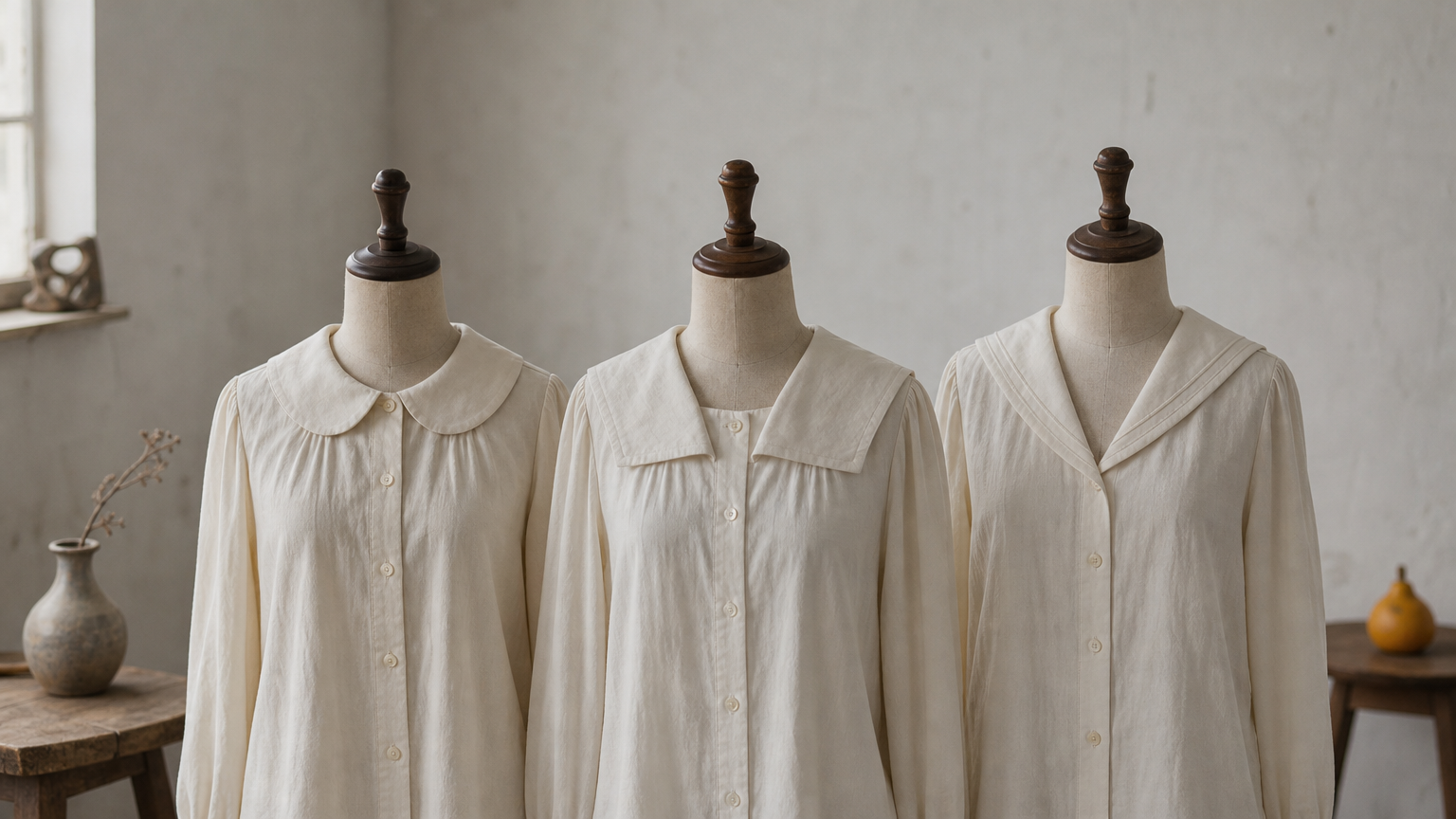
The edge shape tells you the name: round is Peter Pan, square is Bermuda, tapered to a V is sailor.
Names and variations
These are the flat collars you will meet most often:
- Peter Pan: narrow, with rounded ends at the center front. Also called a Claudine collar.
- Bermuda: narrow, with squared ends at the center front.
- Puritan or pilgrim: wide, reaching toward the shoulders, with squared or pointed front corners.
- Sailor: square at the back and tapering to a V in front. Also called a middy or nautical collar.
- Bertha: wide and rounded, running from the neckline out to the shoulder. Lace versions are common.
Where it works best
Peter Pan collars suit blouses and sheath dresses, and they are often cut in a contrasting color. They read as office-appropriate and flatter longer necks. If you have broad shoulders, pick a slightly elongated shape to balance your proportions.
Sailor and bertha collars carry more drama. A sailor collar fits maritime stripes and casual dresses, while a bertha suits dressy, lace-trimmed pieces. Very wide flat collars can overwhelm narrow shoulders, so check the width before you commit.
2. Point and spread shirt collars
Point and spread collars are the classic two-piece shirt collar: a stand that rises at the neck and a fall that folds over it. What separates them is the gap between the points. These are the women's shirt collar styles you find on tailored blouses, button-ups, and work shirts.
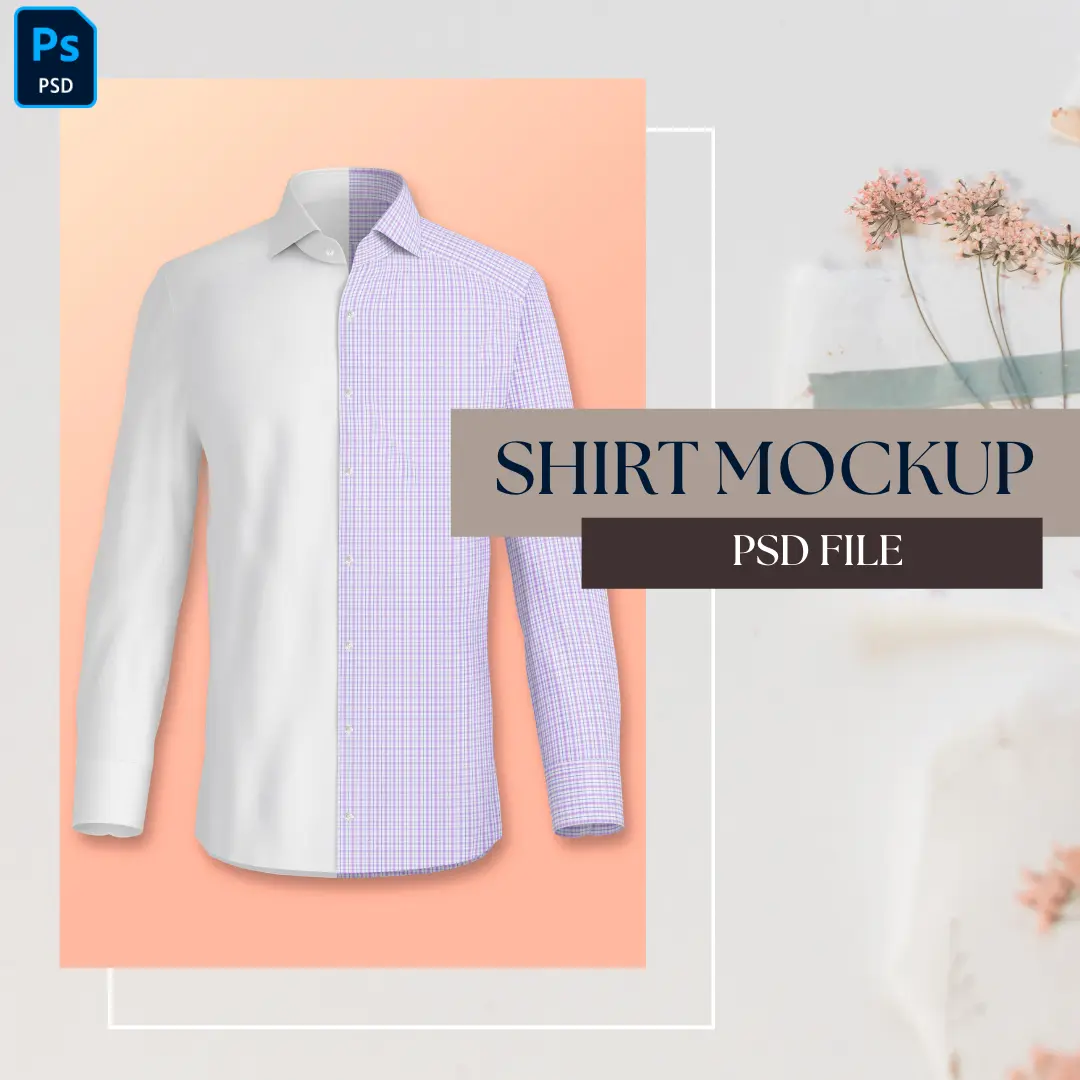
A shirt collar is defined by the gap between its points and by whether the points are fastened.
Names and variations
The six variations below differ mainly in point length, spacing, and fastening:
| Collar | What defines it | Typical use |
|---|---|---|
| Kent (point) | Medium points, the most widespread shirt collar | Business blouses, shirts under jackets |
| Spread | Wide spacing between the points | Tailored shirts worn with a tie or open |
| Button-down | Small buttons fasten the points to the shirt | Casual and smart-casual shirts |
| Pin | Eyelets take a collar pin through both points | Dressy, vintage-leaning shirts |
| Tab | A small strap snaps or buttons across the gap | Shirts worn with a tie |
| Barrymore | Long points, 4 to 5 inches in front | Retro or statement shirts |
Where it works best
Kent collars are the safe choice for work. They lend an air of seriousness, and the clear lines flatter round faces. A button-down is more relaxed and keeps the points from flapping, which helps when you wear the shirt open under a sweater.
Designers can test collar shape digitally. The Professional Dress Shirt Mockup ($17) comes as five layered PSD files and lets you put a different fabric on the collar and cuffs. That makes it a quick way to preview a contrast collar before you order a sample.
3. Band and stand collars: Mandarin, goblet, grandad
Band and stand collars sit upright around the neck with no turn-down, so the line stays clean and minimal. Of all ladies shirt collar styles, these are the most understated, and they make the neck look longer.
If the collar has no fold and stands on its own around the neck, it is a stand collar, whatever the label says.
Names and variations
Stand collars range from a thin band to a tall, structured shape:
- Mandarin: also called Mao, Nehru, or Chinese collar. A short band that rises about 1 inch, with ends that do not quite meet at the front.
- Grandad (Serafino): a round neckline with a short button placket and no true collar.
- Goblet: a V-shaped front opening that flows into a short, structured standing collar.
- Funnel: a wide collar that stands away from the neck and face, usually open at the front.
- Wing: a stiff, short band with pointed tips that fold outward. It belongs to formal shirts.
- Choker (Victorian): a wide, high, close-fitting band that fastens at the back.
Where it works best
Mandarin and goblet collars suit dresses and minimal blouses in crisp fabrics, because a firmer cloth holds the shape. They flatter slender necks. On a very short neck, a tall closed band can feel tight or heavy.
Grandad styles are practical. The short placket makes them easy to pull on, and the look stays understated, sometimes a little demure. Wing collars are for evenings and tuxedo-style looks, so keep them out of everyday shirts.
4. Roll, cowl, and turtleneck collars
Roll collars start as a stand collar that is folded or rolled over, which is how turtlenecks, polos, and mock necks get their shape. Cowl collars skip the structure and drape in soft folds. Together they cover most knitwear necklines.
Fold it over and it is a roll collar; let it hang loose and it is a cowl.
Names and variations
Here is how the five common types differ:
- Turtleneck (polo neck, roll neck): close-fitting and high, usually worn folded over.
- Mock neck: a high rounded neck in rib knit with only a soft fold at the top.
- Polo collar: shaped much like a Kent collar, found on T-shirts and knit tops. It is buttoned, zipped, or worn open.
- Half-zip or quarter-zip (Troyer): a band collar with a zip or buttons, common on knit sweaters and sweatshirts.
- Cowl neck: a wide, bias-cut draped collar, often in silk, satin, or velvet on evening wear.
Where it works best
Turtlenecks and mock necks are cold-weather basics. A close-fitting collar suits long necks and oval faces, and it works alone in one color or layered under a jacket. Mock necks give you the same line with less bulk at the throat.
Cowl necks lean dressy. In fluid fabrics they emphasize the neck and bust, but with a lot of volume they can feel heavy on petite frames. Polo and half-zip collars lean sporty, so they suit casual and smart-casual outfits more than formal ones.
5. Tie-neck and bow collars
Tie-neck collars have ends that tie or loop at the front, which adds a soft accent where other collars stay structured. The pussy bow is the best known, and the ascot and bow collars are close relatives.
If the collar ends are meant to be knotted or looped, the collar belongs to this family.
Names and variations
These three cover nearly every tie-front collar:
- Pussy bow (tie neck): a band collar with long ties that you tie in a bow or leave open. Length, width, and fabric vary.
- Ascot (stock-tie): a long, medium-wide to wide band with two ends brought to the front and looped over each other.
- Bow collar: a long extension of a wide band collar, tied into a bow.
Where it works best
Tie-neck blouses are classic workwear in soft fabrics such as silk or crepe. Tie the bow for a polished, playful look, or leave the ends hanging for a relaxed one. The loose version is kinder to a fuller bust, since a tight bow can look heavy.
Because the style is playful, it does not fit every occasion. It balances wider hips and suits people who like details. For a conservative dress code, a Kent or flat collar is the safer pick.
6. Lapel and shawl collars
Lapel and shawl collars belong to jackets, blazers, coats, and some dresses. A lapel folds back from the front opening, while a shawl collar flows in one continuous curve from the back of the neck to the front. They are the women's collar types that tailoring depends on.
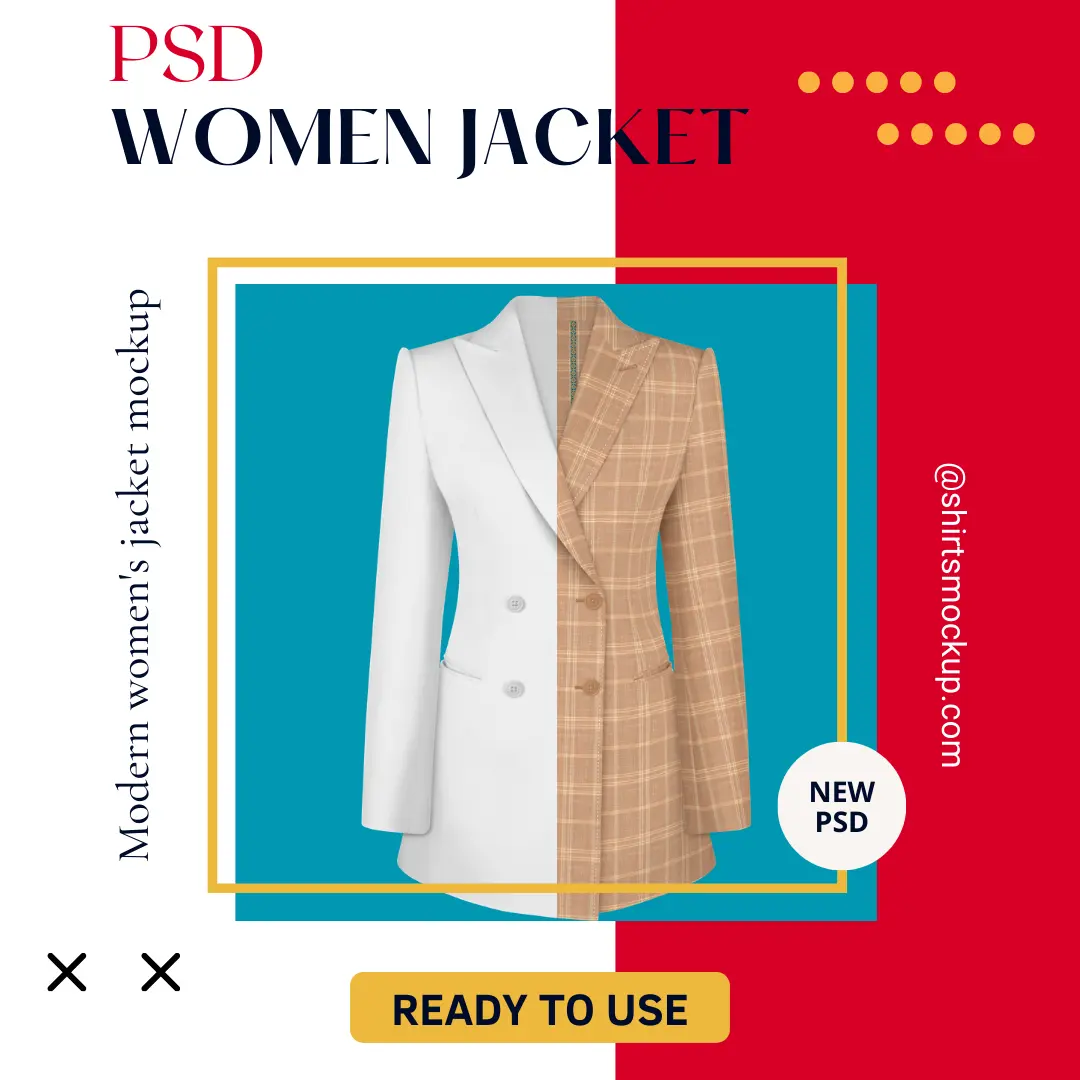
Look for the seam: a notch or points mean a lapel, an unbroken curve means a shawl.
Names and variations
The five shapes below cover most tailored garments:
- Notch (notched lapel): a tailored collar that meets the lapel at a notch, creating a step. It is standard on blazers and business suits.
- Peak: sharp upward points on the lapel, common on double-breasted jackets.
- Shawl: no notch and no points, formed by an extension of the garment front. The tuxedo collar is a shawl variation that runs the full length of the opening.
- Convertible: a one-piece collar that can be worn open or closed. It forms lapels when open.
- Cloverleaf: a lapel with rounded corners on both the collar and the lapel.
Where it works best
Notch lapels are the everyday choice for office blazers. Peak lapels read as more formal and sharpen the shoulder line. Shawl collars suit evening jackets and soft wrap layers. Lapels in general visually elongate the upper body and neck.
Designers who sell women's tailoring find that lapel shape is the detail buyers notice first. ShirtsMockup's Woman Jacket Mockup ($17, 4234 x 5000 px at 300 dpi) and Woman Suit Mockup ($23, 1500 x 2000 px at 300 dpi) are layered Photoshop files where you swap in your own fabric. Check each product page for the exact lapel before you buy.
7. Ruffle, jabot, and statement collars
Ruffle and statement collars are decorative first and structural second. Gathered fabric, frills, or an oversized shape draw the eye to the face, which makes them the most expressive women's shirt collar styles.
When the collar is the whole point of the garment, keep everything else around it plain.
Names and variations
Most ruffled collars differ in where the frill sits and how it is cut:
- Ruffle collar: gathered fabric that frames the neckline in soft waves. A straight ruffle collar is a straight strip gathered to the neck edge.
- Jabot: one or more straight ruffles attached at the center front.
- Cascade: a circular-cut ruffle at the center front that falls in curves.
- Pierrot: a straight ruffled collar that lies across the shoulders, usually with two rows of ruffles.
- Bib: a flat rounded, square, or oval collar that fits around the neck like a child's bib.
- Double collar: two collars of the same shape, with the upper one smaller so the lower one shows.
Where it works best
Ruffle collars suit silk blouses and summer dresses, and they add volume and movement to narrow shoulders. On a fuller bust or a broad frame, the extra fabric can add bulk, so choose a single light layer.
Detachable statement collars are an inexpensive way to dress up a plain top. They also let you test a style before you buy or make a full garment.
How to pick the right collar
Start with the garment's job. Office shirts take point or spread collars, minimal dresses take band collars, knitwear takes roll or cowl collars, and tailoring takes lapels. Flat, tie-neck, and ruffle collars add personality when the piece can carry it. Check your face shape, neck length, and shoulders against the notes in each family, and use the shape names here when you shop, sew, or write a brief.
If you design women's jackets or blazers and want to preview a lapel in your own fabric, try the women's jacket mockup. It lets you show the finished look without a photo shoot.
Comments
No comments yet. Start the conversation.